
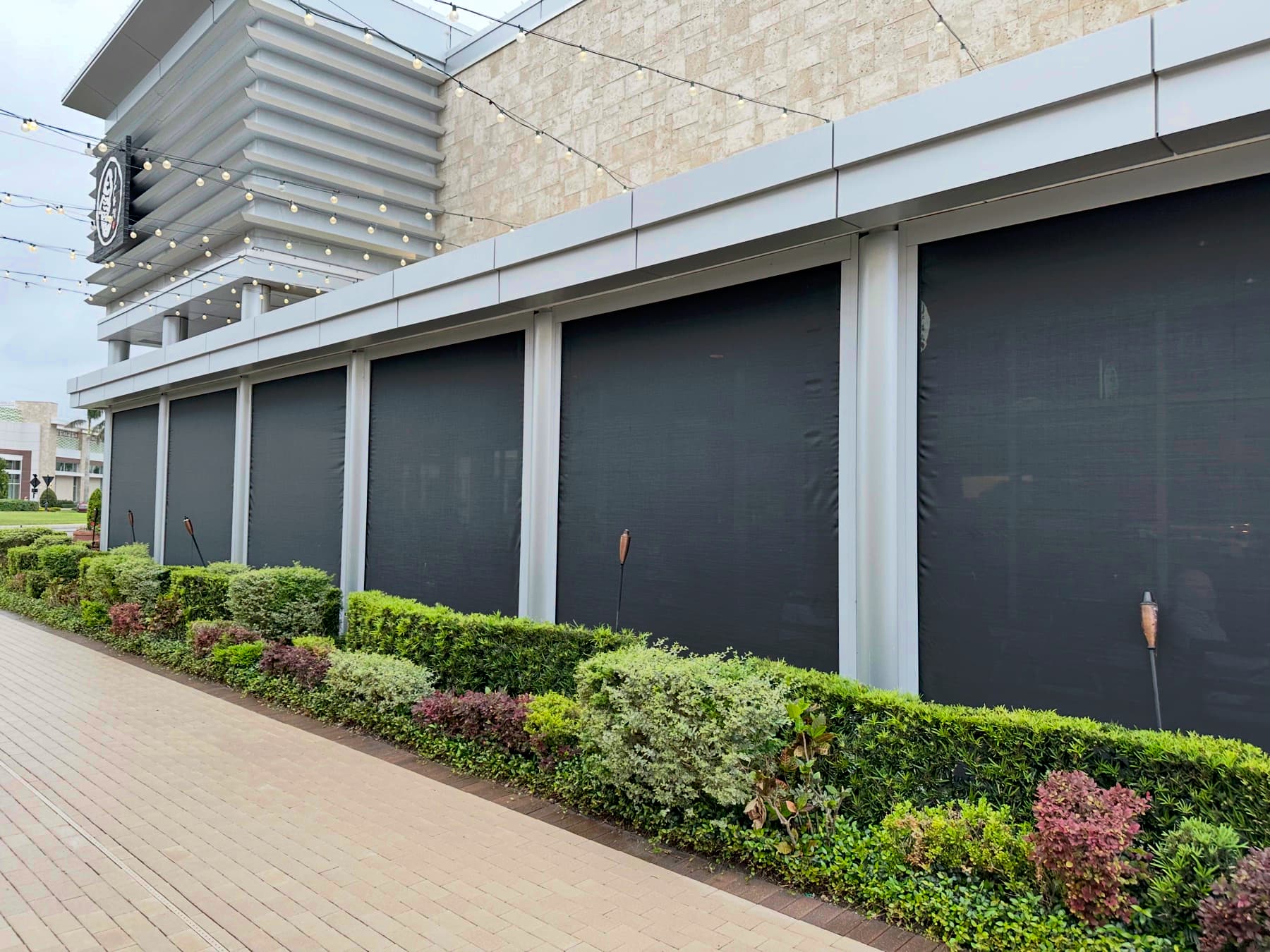
Outdoor Shades and Retractable Screens in Chicago
Motorized patio screens and outdoor shades for city patios, pergolas, and outdoor rooms that need better comfort, privacy, and glare control without losing the view.
Often the fastest way to make a Chicago patio more usable
City outdoor spaces do not always need a full structural overhaul to become better. Sometimes the biggest problem is late-day glare, inconsistent wind, close neighboring sightlines, or the fact that a patio feels exposed the moment insects show up. Retractable screens solve those friction points quickly, which is why they are one of the smartest upgrades for homeowners who already have a cover or are trying to get more value from an existing pergola.
They are also flexible in a way fixed partitions are not. When the weather is clear, the screens disappear. When the sun drops low or the wind starts pushing through the yard, they come down and calm the space. That adaptability is especially useful in Chicago, where outdoor conditions can change quickly across a single afternoon.
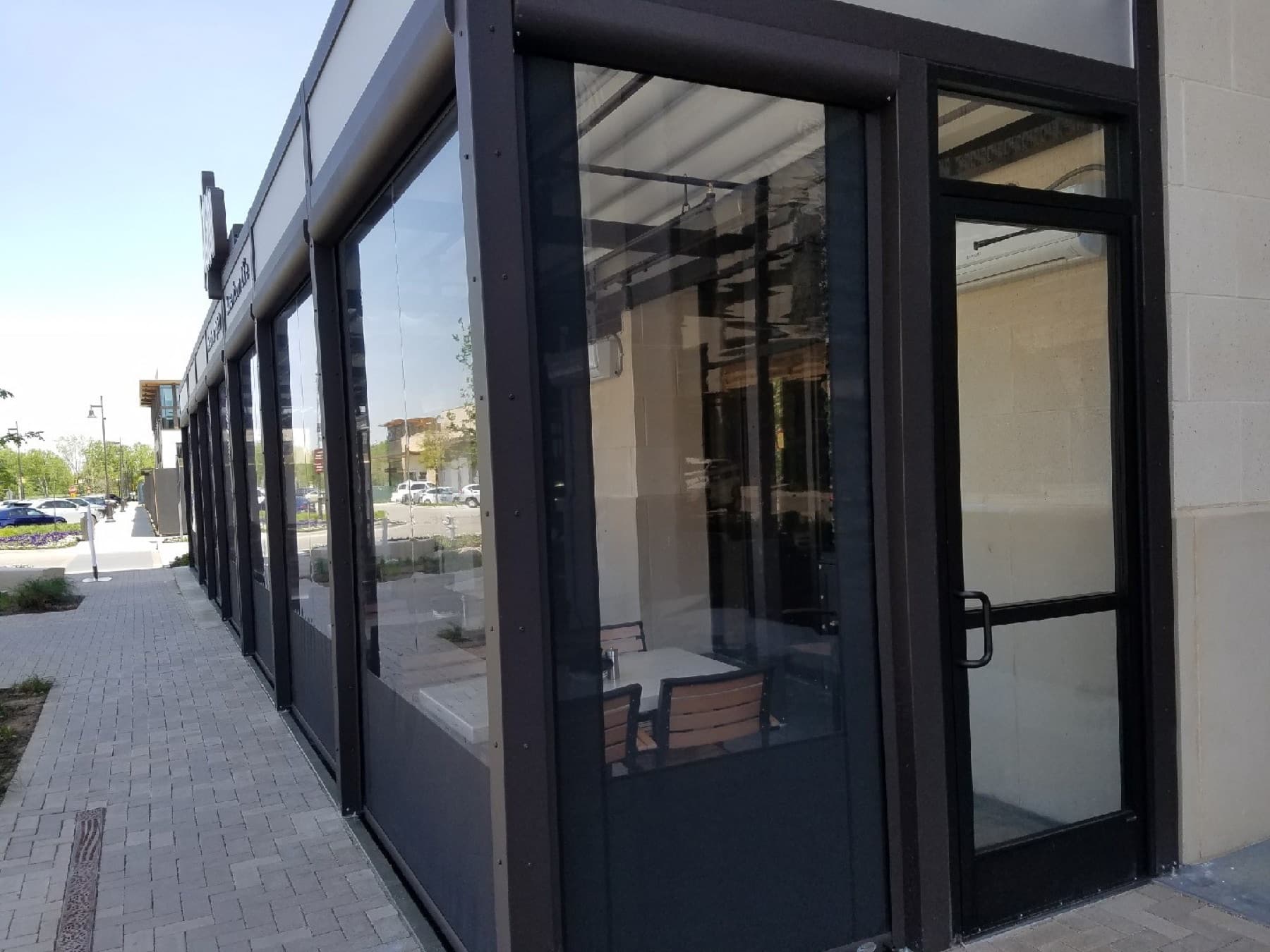
What screens solve on Chicago lots
More comfort on windy patios
Chicago breeze is great until it makes dinner uncomfortable. Retractable screens soften wind and reduce the turbulence that can make a city patio feel exposed, especially on corners, roof decks, and lots with long sightlines down the alley.
Better privacy without closing the space off
Close neighbors are part of city life. Screen fabrics can preserve daylight and outward visibility while reducing the feeling that every evening outside is happening on display.
Bug and glare control in one move
Motorized screens help with insects, late afternoon sun, and general visual comfort, which is why they are such a strong add-on for Chicago pergolas and covered patios.
Fast enough to use every day
A strong screen system is one you actually deploy. Remote control, automation, and integrated controls make it easy to adapt the space as wind, sun, and privacy needs change during the day.
Great for pergolas, patios, and roof decks
In Lakeview and Lincoln Park, screens are often the difference between a patio that looks good and one that actually gets used at dinner time. In North Center and Roscoe Village, they are a strong answer for family patios that need bug control and more comfortable late-day sun conditions. Around Bucktown and Wicker Park, they help roof decks and masonry courtyards feel more protected without adding a heavy visual barrier.
The most successful projects start by identifying what you need the screens to do first. If the answer is privacy, fabric selection and sightline planning matter most. If the answer is wind, opening size and track strategy become more important. If the answer is overall comfort, the screens usually work strongest when planned alongside the pergola, lighting, and heater package.
Retrofit an existing covered patio
Complete a new pergola installation
Add comfort to a garage roof deck
Improve privacy on close city lots
A strong first step for comfort
Homeowners often assume they need a larger renovation before the patio can feel better, but screens are frequently the quickest quality-of-life upgrade on the site. They help a space feel calmer and more enclosed without locking you into a permanent wall or dark room effect.
That makes them especially attractive for projects in progress, where the patio already exists and the goal is to improve comfort this season rather than wait for a much bigger build.
Also the ideal pergola companion
When a pergola is part of the project, retractable screens often become the feature that makes the space feel complete. The roof handles sun and rain overhead, while the screens deal with low-angle glare, privacy, insects, and crosswinds around the perimeter.
If you are already leaning toward a pergola, compare this page with our Chicago pergola page so we can decide whether both systems belong in the first phase.
Examples of screen-ready spaces
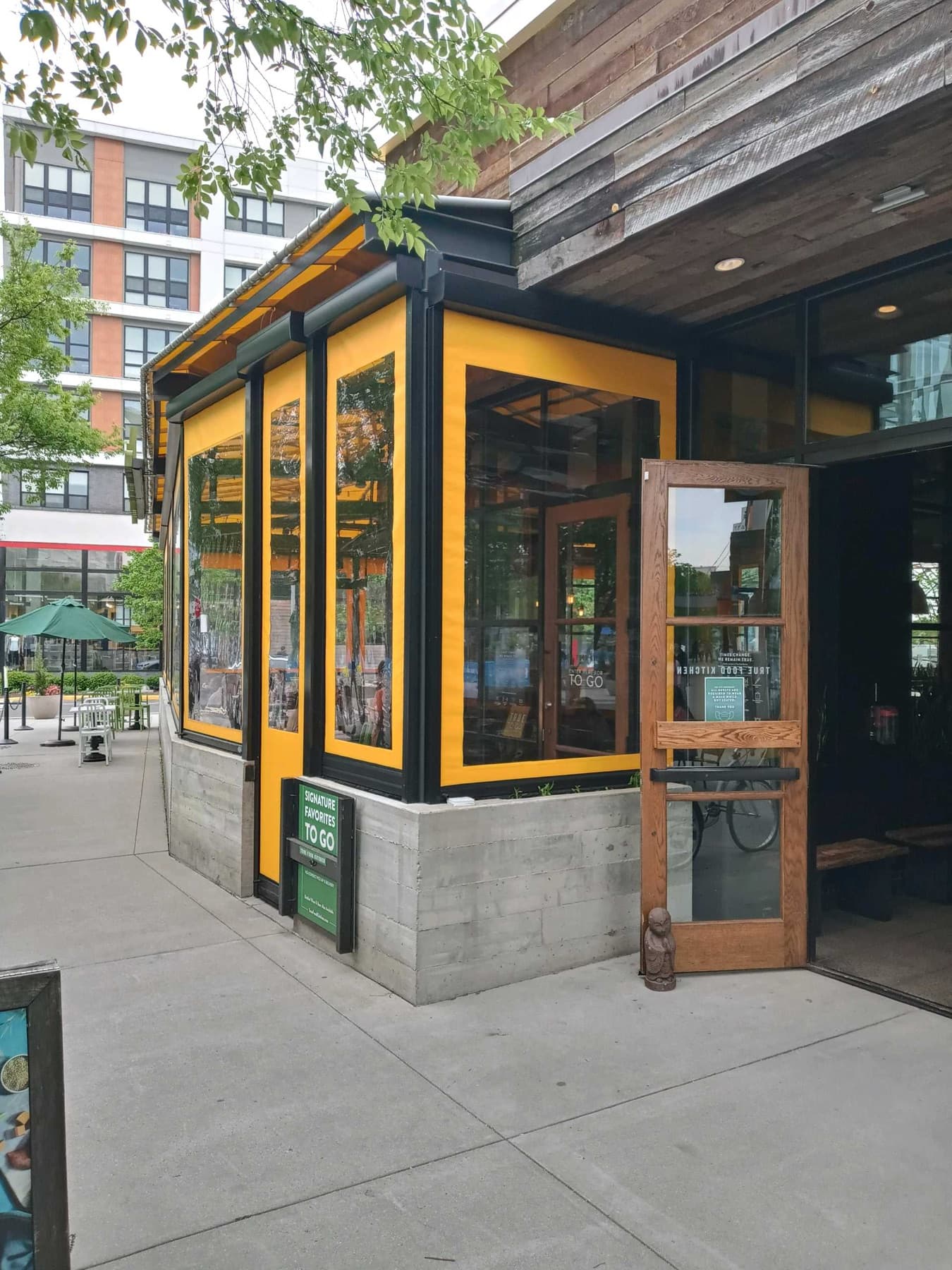
Chicago screen questions
Are retractable screens worth it in Chicago?
For many homeowners, yes. Chicago outdoor spaces are often limited in size, so one improvement has to solve multiple problems to justify the investment. Screens can reduce glare, tame wind, improve privacy, and help with bugs at the same time, which is why they often become the most-used comfort upgrade on the project.
Can motorized screens be added to an existing pergola or patio cover?
Often they can, provided the structure has the right dimensions and support strategy. We evaluate the opening sizes, the attachment surfaces, and how exposed the area is before recommending a layout. In many cases, screens are an excellent retrofit that makes an existing patio feel significantly more finished.
Do screens make a city patio too dark?
Not when the right fabric is selected. We help clients balance openness, privacy, and solar control based on the orientation of the patio and how close neighboring homes are. The goal is to make the space calmer and more comfortable without making the interior rooms feel closed in.
Should I start with screens or a pergola?
That depends on what problem is most urgent. If you already have cover and you mainly need privacy, bug control, or better comfort in wind and low sun, screens may be the smarter first move. If you still need overhead shade and rain management, the pergola usually sets the structure and the screens complete it.